Poinsettia Machine Embroidery Design Review
As an embroidery designer who has spent years digitizing and testing files for small business merchandise, I approach every new machine embroidery design with a critical eye. It is not enough for a file to look pretty on a screen; it must perform under the needle, withstand washing, and elevate a brand's identity. Today, I am reviewing the Poinsettia Machine Embroidery Design, specifically evaluating its potential for commercial use in holiday collections, branded patches, and staff uniforms.
The first impression of this design is one of festive elegance. Based on the description promising "beautifully detailed" artwork available in five convenient sizes, this file appears tailored for versatility rather than a one-size-fits-all approach. For small business owners, Etsy sellers, and apparel decorators, this scalability is crucial. A design that works on a large tote bag often fails when shrunk down for a cap or a product label. The availability of sizes 1 through 5 suggests the creator understands the nuances of stitch density and detail retention across different applications.
Visual Personality and Brand Fit
In the world of commercial embroidery, visual consistency is key to building trust. The Poinsettia is a classic symbol of the Christmas season, but its execution determines whether a brand feels rustic and handmade or premium and polished. This particular design leans towards a decorative yet professional aesthetic. It avoids the overly cartoonish look that can cheapen a boutique's image, instead offering a refined floral motif that complements high-end custom apparel.
For a local bakery, florist, or creative studio, integrating this design into holiday packaging or staff attire can significantly boost seasonal engagement. Imagine a barista wearing an apron with this Poinsettia embroidered on the chest pocket; it instantly communicates attention to detail and seasonal warmth. Similarly, a pet brand could use it on limited-edition bandanas or collar tags. The design acts as a subtle nod to the holidays without overwhelming the primary brand identity.
Real-World Business Applications
When considering where to deploy this digital embroidery file, the possibilities for small business merch are extensive. Here is how I envision this design performing in various real-world scenarios:
- Embroidered Patches: This is perhaps the strongest use case. By selecting the medium or large size options, businesses can create iron-on or sew-on patches for jackets and backpacks. Patches allow customers to become brand ambassadors, wearing your logo long after the holiday season ends.
- Staff Uniforms and Aprons: For cafes and boutiques, apron embroidery adds a touch of sophistication. The Poinsettia works beautifully as a sleeve detail or a chest accent on dark navy or forest green uniforms, providing a pop of color that feels intentional rather than cluttered.
- Cap Embroidery: Using the smallest size option, this design can serve as a delicate front or side logo on structured caps. However, curved surfaces require careful hooping and stabilizer selection to prevent puckering.
- Tote Bag Design: Canvas totes are a staple for handmade brands. Placing this design in the corner of a tote bag creates a balanced, artistic look that enhances the perceived value of the finished product.
- Product Packaging Accents: Small businesses can embroider this motif onto fabric gift tags or ribbon attachments, adding a tactile, luxury element to unboxing experiences.
Critical Considerations for Production
While the aesthetic appeal is strong, a professional review must address the technical challenges. Not every design translates perfectly to every substrate. Here are the areas where you need to exercise caution when using the Poinsettia Machine Embroidery Design:
Small Patch Sizes and Detail Loss: If you intend to use the smallest size (Size 1) for something like a collar tag or a tiny pocket emblem, you must verify the stitch count and density. Highly detailed petals can merge together if the design is too small for the thread thickness. Always request a test stitch-out on your specific fabric before committing to a large production run.
Curved Surfaces and Caps: Embroidering on a cap front is notoriously difficult due to the curve. If the design has high stitch density, it may cause the fabric to pucker or the cap to warp. Ensure you are using a stiff backing stabilizer and consider reducing the pull compensation if your machine allows edits.
Fabric Texture and Contrast: This design likely relies on specific thread colors to define the petals against the leaves. On textured fabrics like tweed or heavy canvas, fine details can get lost. Furthermore, if you are stitching on dark uniforms, ensure the design includes an underlay or satin border to prevent the dark fabric from showing through the lighter thread colors.
Frequent Washing: Merchandise meant for daily wear, such as work shirts or aprons, undergoes significant stress. Verify that the satin stitches are dense enough to resist fraying after multiple wash cycles. A beautiful design that falls apart after three wears damages customer trust.
Enhancing Brand Identity and Value
Ultimately, the goal of using a specialized embroidery file is to strengthen your market position. When a customer sees a cohesive, high-quality embroidered element on your products, it signals professionalism. It tells them that you care about the details. This perception directly influences buyer engagement and allows you to command higher price points for your handmade product lines.
Consistency is vital. If you use this Poinsettia motif on your social media graphics, ensure the embroidered version matches the color palette and style of your printable mockup assets. Discrepancies between digital marketing and the physical finished product can confuse customers. A well-executed embroidery project reinforces visual consistency, making your brand instantly recognizable.
Professional Designer Notes and Best Practices
Before you purchase and produce, follow these practical steps to ensure success with the Poinsettia Machine Embroidery Design:
- Test in Black and White: Before committing to colorful threads, stitch the design out in a single color on scrap fabric. This helps you evaluate the shape, spacing, and clarity of the details without the distraction of color matching.
- Verify Hoop Size: The description mentions five sizes, but it does not specify exact dimensions. Confirm the maximum hoop size required for the largest version to ensure it fits your machine's capabilities.
- Check Commercial Licensing: Since this is for business use, explicitly confirm the license terms. Ensure you have the right to sell items featuring this design, especially if you are an Etsy seller or running a custom apparel shop.
- Select the Right Stabilizer: Match your stabilizer to your fabric. Cut-away stabilizer is generally best for garments that will be washed frequently, while tear-away may suffice for decorative items that won't see heavy wear.
- Create a Client Mockup: If you are doing this for a client, create a realistic mockup showing the design on their specific garment. This manages expectations and secures approval before you waste thread and time.
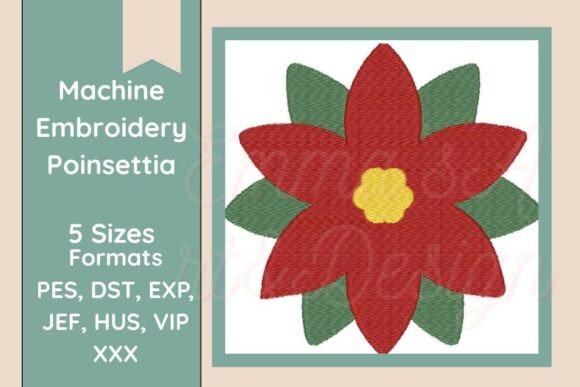
- Review Thread Contrast: Ensure there is sufficient contrast between the red poinsettia petals and the green leaves, especially if stitching on dark fabrics. You may need to adjust the thread chart provided with the design assets.
In conclusion, the Poinsettia Machine Embroidery Design offers a promising blend of holiday charm and professional utility. Its multi-size format makes it a versatile asset for various commercial embroidery projects, from patches to premium apparel. However, its success depends entirely on proper testing, appropriate material selection, and adherence to technical best practices. For small business owners looking to add a touch of seasonal elegance to their brand, this design is a strong contender, provided you respect the limitations of the medium and validate the file specifications before full-scale production.