Confetti Machine Embroidery Design: A Pro Review
As a designer who spends more time staring at stitch maps than actual fabric, I approach every new machine embroidery design with a mix of excitement and skepticism. We've all been there: you buy a cute file, load it up, and halfway through the run, you realize the density is off or the details are going to vanish on textured fabric. So, when I got my hands on the Confetti Machine Embroidery Design, I didn't just look at the preview image; I wanted to know how it would actually behave in the hoop during a real production run.
This isn't just another digital asset; it's a tool for your craft business. Whether you are an Etsy seller looking to spice up your holiday collection or a hobbyist making personalized gifts, the viability of a design comes down to execution. The premise here is simple: instant celebration. The design promises to bring a festive mood to any project, and given that it falls under the Christmas category, timing is everything. But does it deliver on the technical front?
First Impressions and Visual Personality
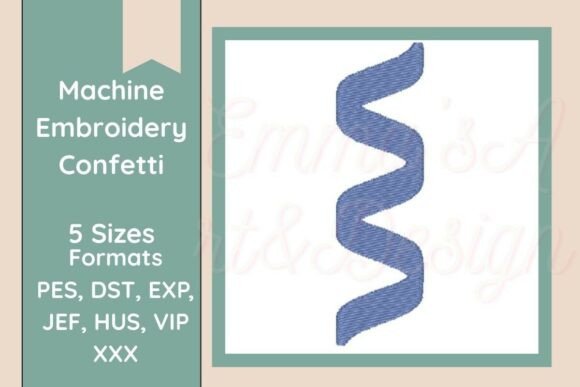
The first thing that strikes me about this digital embroidery file is its versatility in scale. Being available in five sizes ranging from 1" to 5" is a massive plus. In the world of custom apparel, one size rarely fits all. A 1" version is perfect for a subtle pocket accent on a flannel shirt or a delicate addition to a baby onesie, while the 5" option commands attention as a central motif on a tote bag design or a throw pillow.
Visually, the layout feels energetic without being chaotic. Confetti themes can easily look messy if the stitch density isn't managed well, resulting in a bird's nest of thread rather than a crisp graphic. From the preview, the balance between open space and filled areas suggests a thoughtful arrangement. It creates a mood of joy and festivity, which is exactly what you want for holiday embroidery. The shape and theme lend themselves naturally to products that need a pop of color—think boutique branding for a party supply shop or limited-edition merchandise for a local bakery.
Real-World Application: The Sweatshirt Test
To truly evaluate this embroidery project, I imagined a specific scenario: a rush order for a local boutique needing custom sweatshirt embroidery for their December launch. The client wanted something festive but not overtly religious or traditional—just pure fun. This is where the Confetti design shines.
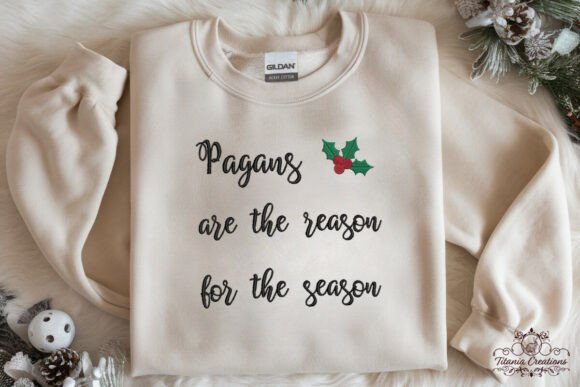
If I were stitching this on a heavy cotton blend sweatshirt, the larger 4" or 5" sizes would be ideal. The key here is the fabric texture. Sweatshirts have a looped interior and a slightly fuzzy exterior. A design with too many tiny running stitches might get lost or pull unevenly. However, assuming the file utilizes a mix of satin stitch for outlines and appropriate fill stitch for the confetti shapes, it should hold up well. The varied sizes allow me to test the design on a scrap piece of the actual garment fabric first—a non-negotiable step for any professional.
For a handmade product like this, the perceived value is tied directly to stitch clarity. If the confetti pieces look distinct and the colors pop against the garment, the customer sees a premium item. If it looks muddy, it devalues the brand. This design's potential to work on dark fabrics (provided you use the right underlay and thread colors) makes it a strong contender for winter wear, where navy, black, and forest green are staples.
Navigating Technical Challenges
While the aesthetic is promising, we need to talk about where you need to exercise caution. Not every surface is created equal. If you are planning to use this as an embroidered patch or on a structured cap, the curved surface presents a challenge. Smaller hoop sizes might restrict your ability to center the larger 5" version, so checking your machine's maximum hoop capacity is essential before purchasing.
Additionally, consider the stabilizer. For stretchy fabrics like t-shirts or thin materials like silk blends often used in scarves, the weight of the thread in a dense confetti pattern could cause puckering. I always recommend using a cut-away stabilizer for garments that will be washed frequently, ensuring the finished product maintains its shape over time. Water-soluble stabilizers might work for towels, but for apparel that needs durability, you need something stronger.
Another critical point is the detail level in the smallest 1" size. When scaled down, do the individual confetti pieces merge into a blob? This is a common issue with complex designs. If you intend to use the smallest size for baby embroidery on a bib or hat, you must verify that the thread colors provide enough contrast and that the stitch count isn't so high that it creates a stiff, uncomfortable patch on sensitive skin.
Commercial Viability and Brand Consistency
For small shop product creators and creative entrepreneurs, consistency is king. If you are building a line of printable mockup assets or physical goods for an online store, this design offers a cohesive look. It fits well within a broader Christmas collection without screaming "generic holiday clipart." It feels modern and adaptable.
However, before listing items on Etsy or selling at a craft fair, you must confirm the licensing terms. Just because a file is available doesn't mean it's free for commercial use. Always check if the embroidery file allows for unlimited sales of finished physical goods or if there are restrictions on digital redistribution. Protecting your craft business means respecting intellectual property and ensuring you aren't inadvertently violating terms that could get your shop flagged.
Final Verdict and Designer Notes
The Confetti Machine Embroidery Design has strong potential for adding a celebratory touch to a wide range of projects, from kitchen towels to boutique apparel. Its strength lies in its scalability and thematic flexibility. However, like any good tool, it requires skill to wield effectively.
Here are my practical takeaways for using this design:
- Test First: Always stitch out on a scrap of your actual project fabric. Check how the stitch density interacts with the material weave.
- Contrast Check: Review the design in black and white mockups to ensure the shapes remain distinct without relying solely on color.
- Stabilizer Strategy: Match your stabilizer to the fabric weight. Don't guess; if the fabric stretches, stabilize heavily.
- Size Matters: Verify that the 1" version retains clarity. If it looks muddy at small scales, stick to the 3"-5" options for better impact.
- License Confirmation: Double-check the commercial rights before selling finished items or using it in client work.
In conclusion, this design is a solid addition to your library if you need a versatile, festive element that can adapt to various embroidery projects. It bridges the gap between a fun hobbyist motif and a professional-grade asset for commercial embroidery, provided you respect the technical limitations of your machine and materials. With the right preparation, it can elevate a simple tote bag or sweatshirt into a standout personalized gift that customers will love.