Pumpkin Pie Embroidery Design Review for Craft Fairs
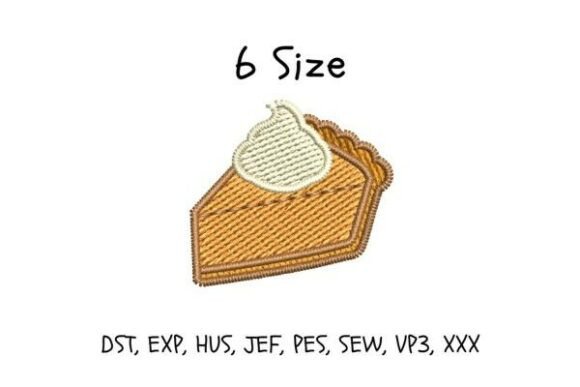
As an experienced embroidery designer preparing for the upcoming autumn craft fair season, I spend a lot of time scrutinizing new machine embroidery design files before committing them to production. My goal is simple: identify which assets will translate into high-selling handmade product lines that catch a customer's eye from three feet away. Recently, I evaluated the Pumpkin Pie Embroidery Design, a versatile digital embroidery file available in six sizes with instant download capabilities. This review breaks down how this specific dessert-themed asset performs when moved from a screen to real-world booth displays.
First Impressions and Aesthetic Appeal
Upon loading the Pumpkin Pie Embroidery Design into my digitizing software, the immediate impression was one of rustic warmth and festive comfort. The subject matter naturally leans into the "farmhouse" and "cozy" aesthetics that dominate the fall market. Unlike overly complex holiday motifs that can look cluttered when stitched out, this design feels balanced. It possesses a decorative quality that suggests premium handmade effort without appearing too busy. For boutique makers and creative entrepreneurs, this visual clarity is crucial. A design that reads instantly as "pumpkin pie" allows customers to make a purchasing decision in seconds, which is vital in the fast-paced environment of a weekend craft fair.
Versatility Across Product Lines
The true test of any embroidery file is its adaptability. The inclusion of six sizes in this package is a significant advantage for small shop owners who need to maximize their inventory without buying multiple designs. Here is how I see this design performing across various craft fair product categories:
- Tote Bags and Market Bags: As a tote bag design, the medium-to-large sizes of the pumpkin pie motif work exceptionally well. Placed centrally on a canvas tote, it becomes a statement piece. The warm tones of a pie design contrast beautifully with natural cotton or deep olive greens, making it a top seller for grocery shoppers and students alike.
- Kitchen Linens: For tea towel embroidery and aprons, the smaller sizes are ideal. An apron embroidery placement on the bib or lower pocket adds a charming, functional touch. Customers love buying matching sets, so offering this design on both towels and aprons creates a cohesive kitchen collection.
- Accessories and Patches: When scaled down, this design serves as an excellent candidate for an embroided patch or a small pouch accent. However, care must be taken with the smallest size settings to ensure details do not get lost in the stitching.
- Home Decor: On pillow covers, the design acts as a seasonal focal point. It transforms a plain throw pillow into a festive decor item that customers are eager to buy as hostess gifts.
Production Practicality and Stitch Quality
From a production standpoint, the description notes that proper stabilization is essential to achieve a beautiful and flat finish. This is a critical indicator for any professional. Designs featuring food items, particularly pies with crust textures or filling details, often require careful management of stitch density. If the density is too high on a textured fabric like a waffle-weave towel, the design may pucker or sink. Conversely, if it is too light, the fabric might show through, ruining the illusion of a delicious slice of pie.
Before running a full batch, I strongly advise testing the design on scrap fabric that matches your intended finished product. Check the thread colors against your fabric choices; a golden-brown thread on a dark navy cap might lack the necessary contrast to pop. While the design is described as suitable for any product, curved surfaces like caps present unique challenges. The hoop area on a cap is limited, and the curvature can distort the image if the design is too wide. Using the appropriate hoop size for the specific item is non-negotiable for maintaining professional quality.
Visual Impact for Online and Offline Sales
For the Etsy seller or digital creator, the photogenic nature of this design is a major asset. Food-themed embroidery tends to photograph very well because the colors are inherently appetizing and warm. When creating a printable mockup for your online listings, ensure the lighting highlights the texture of the stitches. A well-lit photo of this pumpkin pie motif on a soft linen background can significantly boost click-through rates. In a physical booth, this design draws attention because it evokes sensory memories of smell and taste, triggering an emotional response that drives impulse buys.
Strategic Considerations for Sellers
When integrating the Pumpkin Pie Embroidery Design into your inventory, consider the following strategic points to maximize profit and minimize waste:
- Batch Production Efficiency: Because the file comes in multiple sizes, you can set up a multi-head machine or a single machine with a jig to run continuous batches. Start with the most popular items, likely the tote bags and tea towels, to gauge initial interest.
- Fabric Texture Compatibility: Be cautious with highly textured towels or thick fleece. The description emphasizes a "flat finish," which implies that the design relies on smooth execution. On looped fabrics, you may need a heavier cut-away stabilizer to prevent the stitches from pulling apart over time.
- Commercial Licensing: Always confirm the commercial licensing terms included with your instant download. While the description suggests broad usage, ensuring you have the right to sell finished goods made from this design assets is a fundamental step for any business owner.
- Brand Consistency: If your brand focuses on modern minimalism, this rustic pie design might need to be paired with clean, sans-serif lettering or placed on neutral fabrics to maintain your aesthetic. If your brand is eclectic and cozy, lean into the warmth with earth-toned threads.
Final Verdict for the Seasonal Seller
The Pumpkin Pie Embroidery Design stands out as a reliable, high-potential asset for the autumn selling season. Its strength lies in its universal appeal and the flexibility offered by the six included sizes. It bridges the gap between a cute novelty item and a sophisticated home decor element. For the commercial embroidery professional, it offers a low-risk, high-reward opportunity to expand a seasonal catalog. By paying attention to stabilizer choices, thread contrast, and fabric selection, this design can become a staple in your small shop product lineup, driving engagement and sales throughout the fall months. Remember to create at least one real mockup before listing to ensure the stitch-out meets your quality standards, securing your reputation for excellence in the handmade market.