Mini Tree Christmas Embroidery Files: A Designer's Review
As someone who spends more time staring at stitch previews on a screen than I do looking at actual trees in the forest, I approach every new machine embroidery design with a healthy dose of skepticism. We have all been there: you buy a cute file, load it onto your machine, and halfway through the run, you realize the density is going to turn your soft cotton into cardboard. That is why I took a close look at the Mini Tree Christmas Embroidery Files before committing them to a client project. This isn't just about whether the tree looks festive; it is about whether this digital embroidery file can hold up under the pressure of real-world production.
First Impressions and Visual Personality
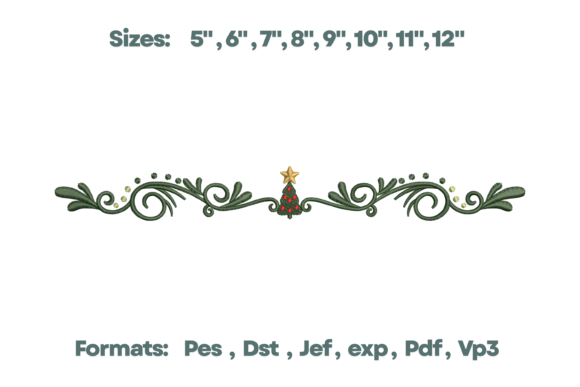
The moment I opened the preview for these files, the first thing that struck me was the balance between simplicity and charm. In the world of holiday embroidery, it is easy to go overboard with excessive details that simply do not translate well to thread. This applique design avoids that trap. The silhouette of the mini tree is clean, suggesting a modern aesthetic that fits perfectly into contemporary boutique branding rather than feeling like a relic from a decades-old craft fair.
The layout feels intentional. It does not scream for attention, which is exactly what you want for a "mini" motif. Whether you are aiming for a subtle sweatshirt embroidery pocket detail or a repeating pattern on a larger item, the scale seems versatile. The visual personality leans towards cozy and handmade, evoking that specific feeling of a quiet winter evening. For an Etsy seller or small shop owner, this mood is gold. It signals quality without trying too hard.
Real-World Application: The Tote Bag Test
To truly evaluate this embroidery file, I mentally ran it through a common scenario: a custom order for a local coffee shop looking for holiday merchandise. They wanted a run of canvas tote bags. This is a critical test because canvas has a distinct fabric texture that can swallow up fine details if the stitch count is too low or the spacing is too tight.
With the Mini Tree Christmas Embroidery Files, the appliqué approach shines here. By using fabric layers instead of relying solely on dense fill stitches, the design maintains its shape without stiffening the bag. Imagine a cream-colored canvas tote with a forest green felt tree appliquéd on the corner. The contrast would be sharp, and the finished product would feel substantial yet flexible. Customers love items that feel good to touch, and an appliqué tree offers a tactile element that flat stitching cannot match.
Beyond totes, I could see this working beautifully on custom apparel. Picture a heather grey hoodie with the mini tree on the cuff or near the hem. It adds a touch of seasonal spirit without dominating the garment. For baby embroidery, the soft edges of an appliqué are far superior to dense satin stitches that might irritate sensitive skin. This versatility makes it a strong candidate for diverse design assets in a creative entrepreneur's library.
Technical Considerations for Stitching
While the design concept is solid, the execution depends entirely on how you handle the technical side. Since this is described as an appliqué design, you must pay close attention to the sequence. Typically, these files require a placement line, a tack-down stitch, the fabric cut, and then a final border stitch. If you are using a satin stitch for the border, ensure your thread colors have enough contrast against the appliqué fabric. A dark green border on a dark green felt tree will look muddy and undefined.
Stitch density is another factor. Even with appliqué, the connecting stitches need to be robust enough to survive washing but light enough to prevent puckering. If you are stitching on stretchy fabrics like jersey knits for t-shirts, the use of a high-quality cutaway stabilizer is non-negotiable. Do not skimp here. A distorted tree on a stretched-out shirt looks unprofessional and can damage your reputation as a maker.
Also, consider the hoop size. While "mini" implies it fits in small hoops, always check the specific dimensions provided in the file documentation. If you plan to place this on curved surfaces like caps, ensure the design width does not exceed the safe stitching area of your cap frame. Pushing the needle too close to the brim can cause breaks and misalignment.
Where Caution is Required
No design is perfect for every situation. There are specific contexts where the Mini Tree Christmas Embroidery Files might struggle. If you are working with very thin or sheer fabrics, the backing and adhesive used for appliqué might show through or add unwanted bulk. In these cases, a simple running stitch outline might be better, though that would require modifying the file, which is often against licensing terms.
Furthermore, be wary of using this on items that will undergo frequent, harsh industrial washing. While appliqué is durable, the edges can eventually fray if the border stitch is not dense enough. For kitchen towels or aprons, which face tough conditions, you might want to reinforce the tack-down stitches. Additionally, if you are selling these as printable mockup previews for digital products, remember that the texture of the thread translates differently on screen than in reality. Ensure your photos capture the dimensionality of the appliqué to manage customer expectations.
Enhancing Brand Value and Customer Trust
Ultimately, the choice of design impacts your brand perception. Using a well-executed machine embroidery design like this communicates professionalism. It shows that you care about the details. When a customer receives a personalized gift featuring a crisp, clean mini tree, they associate that quality with your craft business. It builds trust. Conversely, a poorly stitched or ill-chosen design can make even the most expensive garment look cheap.
For those looking to expand their commercial embroidery offerings, this type of file is a safe bet. It appeals to a broad audience without being overly niche. It works for corporate gifts, family matching pajamas, or standalone decor items like pillow covers. The key is consistency. If you use this design across a collection of products, ensure your thread colors remain consistent to maintain brand recognition.
Final Verdict and Designer Notes
Before you rush to stitch out a dozen items, take my advice: test the design on scrap fabric first. Use the exact same material and stabilizer combination you plan to use for the final embroidery project. Check the back of the hoop to ensure there is no excessive bird nesting or loose threads. Inspect the small details—are the corners of the tree sharp? Is the appliqué fabric lying flat?
It is also wise to view your test stitch-out in black and white. This helps you judge the contrast and definition without the distraction of color. If the design holds up in grayscale, it will likely look great in color. Finally, always confirm the licensing terms. Some creators allow unlimited sales of finished physical goods but restrict the sale of the digital file itself. Knowing these boundaries protects your small shop product line from legal headaches.
In summary, the Mini Tree Christmas Embroidery Files offer a promising blend of aesthetic appeal and practical utility. With the right preparation, fabric choices, and attention to technical details, this applique design can elevate your holiday collection from ordinary to exceptional. It is a tool that, when wielded with skill, can help you create memorable handmade products that customers will cherish for seasons to come.