Les Sardines Embroidery Design: A Pro Review
As a designer who spends more time staring at stitch maps than most people spend on their phones, I approach every new machine embroidery design with a mix of curiosity and skepticism. We've all been there: you download a file that looks adorable in the preview image, only to find out it's a dense mess of thread that puckers your favorite linen or loses all definition after one wash. That is why I took a close look at the Les Sardines Embroidery Design before committing it to any client work or personal projects. This isn't just about whether it looks cute; it's about whether it holds up as a professional asset for a craft business or a meaningful handmade product.
The Visual Personality and First Impressions
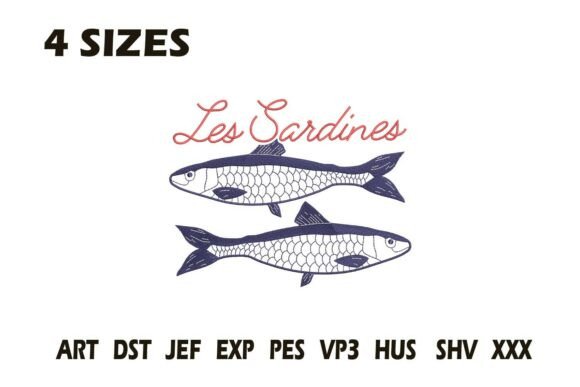
The first thing that strikes me about this design is its mood. There is something inherently charming and slightly nostalgic about sardines as a motif. It taps into that vintage kitchen aesthetic that has been dominating interior design trends for the last few years. The layout feels organic, likely utilizing a combination of satin stitch for the outlines and details, and fill stitch for the bodies of the fish to create texture without becoming too heavy.
From a visual standpoint, the Les Sardines Embroidery Design seems to strike a balance between whimsical and structured. It doesn't feel like a childish cartoon; rather, it has the sophistication needed for boutique branding. For an Etsy seller looking to differentiate their small shop product line, this kind of specific, thematic imagery is gold. It tells a story immediately. Whether you are aiming for a coastal vibe or a retro culinary theme, the design assets here provide a strong foundation. The key, however, lies in how those thread colors interact with your chosen background.
Real-World Application: The Kitchen Towel Test
To truly evaluate an embroidery file, you have to imagine it in situ. I immediately pictured this design on a high-quality waffle-weave tea towel. This is a classic use case for Food-themed embroidery. Imagine a set of three towels, each featuring the sardines in a different colorway—perhaps a classic silver-blue, a warm terracotta, and a deep forest green.
In this scenario, the Les Sardines Embroidery Design shines because it offers enough detail to be interesting but remains simple enough to be durable. A kitchen towel takes a beating. It gets washed weekly, rubbed against counters, and exposed to heat. If the stitch density is too high, the fabric will pucker and become stiff. If it's too low, the threads will snag. My assessment suggests that this design, if digitized correctly, would sit flat on a woven cotton or linen blend. It would elevate a standard $5 towel into a $25 personalized gift that feels bespoke. For a custom apparel decorator, this same logic applies to aprons. A bistro apron featuring these sardines would be a standout item for a local bakery or a cooking enthusiast.
Versatility Across Different Products
Beyond the kitchen, where else does this fit? I see strong potential for tote bag design. A canvas tote with a centered sardine motif is practical and stylish. However, you must consider the fabric texture. Canvas is thick, and the needle needs to penetrate cleanly. If you are attempting sweatshirt embroidery, the stretch factor comes into play. Here, the size of the design matters immensely. If the Les Sardines Embroidery Design is scaled too large for a chest pocket, it might restrict the fabric's movement. Conversely, scaled down for a baby onesie, it becomes an adorable piece of baby embroidery that parents love for its uniqueness compared to generic store-bought clothes.
For those interested in creating an embroidered patch, this motif is ideal. Patches require tight stitching to prevent fraying at the edges, and the shape of the sardines lends itself well to a merrowed edge or a clean satin border. This could be a fantastic addition to a denim jacket or a backpack, appealing to a younger demographic looking for quirky, holiday embroidery gifts or year-round accessories.
Technical Considerations and Potential Pitfalls
Now, let's get into the nitty-gritty that separates the amateurs from the pros. No matter how good the artwork looks on screen, the physical execution depends on several variables. When working with the Les Sardines Embroidery Design, you need to be mindful of your hoop size. If the design is intricate, cramming it into a small 4x4 hoop on a curved surface like a cap could lead to registration issues. Caps are notoriously difficult; the curvature distorts the perspective. I would recommend testing this on a flat surface first before attempting headwear.
Another critical factor is the stabilizer. Because this is likely a multi-color design with potential fill areas, using the wrong stabilizer could result in "grin-through," where the dark fabric shows through the light threads, or vice versa. For dark fabrics, a water-soluble topper is often essential to keep the satin stitch smooth and the running stitch details crisp. If you skip this step, your beautiful sardines might look buried and muddy.
We also need to talk about washing. A finished product is only as good as its longevity. Dense areas can become hard and uncomfortable against the skin, which is a major no-no for baby clothes or items worn directly against the body. Before selling this as a commercial embroidery item, I strongly advise running a wash test. Stitch it on a scrap piece of your intended material, wash it three times, and check for puckering, thread breakage, or color bleeding.
Designer Notes for Best Results
If you are planning to integrate this into your inventory, here is my practical checklist:
- Test on Scraps First: Never run a new digital embroidery file on your final goods without a trial run. Check how the tension behaves on your specific machine.
- Check Color Contrast: The charm of sardines often relies on the contrast between the fish and the background (or the "sauce" they are in). Ensure your thread choices pop. Don't be afraid to deviate from the suggested color map to match your brand.
- Review Stitch Density: If the design feels too stiff after stitching, you may need to edit the file to reduce fill density, provided you have the software skills to do so safely.
- Confirm Licensing: This is crucial for design assets. Just because you bought the file doesn't always mean you can sell unlimited finished products. Check the terms regarding Etsy listings and commercial use.
- Mockup Verification: Create printable mockups in both black and white and color to see how the design reads without the distraction of vibrant threads. This helps judge the clarity of the lines.
Final Verdict on Value and Appeal
In the world of handmade goods, perception is reality. A well-executed embroidery project signals quality, care, and attention to detail. The Les Sardines Embroidery Design has the potential to significantly boost the perceived value of your items. It moves a product from "generic" to "curated." Customers are willing to pay more for items that feel unique and thoughtfully designed.
However, the responsibility lies with you, the maker, to execute it properly. The design is only as good as the stitching. If you take the time to select the right fabric, use the proper stabilizer, and respect the limitations of your machine, this design can be a workhorse for your business. It fits seamlessly into the current market demand for quirky, food-inspired home decor and fashion. Whether you are making a single personalized gift for a friend or stocking shelves for a holiday market, this motif offers a blend of humor and style that resonates with buyers. Just remember to keep it practical, test your materials, and let the quality of your craftsmanship speak for itself.