E2e Keep Warm Quilting Embroidery Design Review
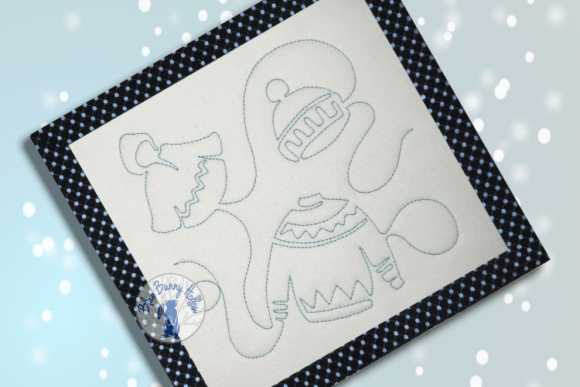
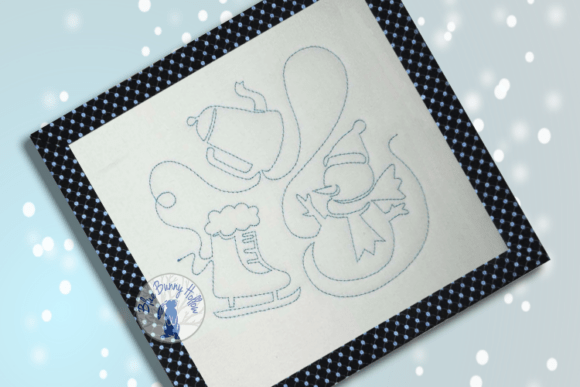
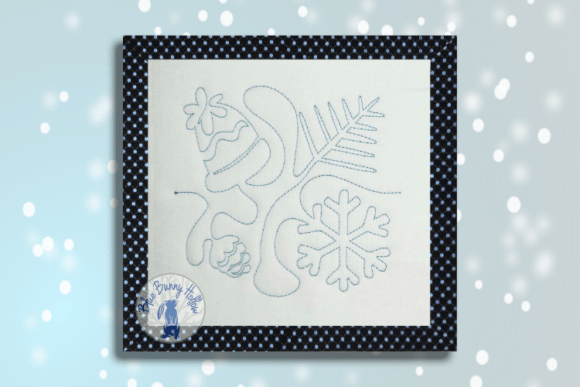
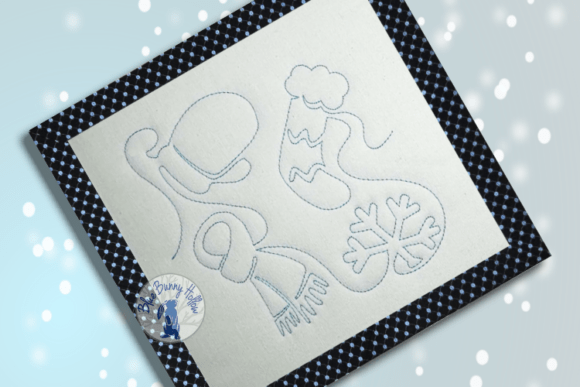
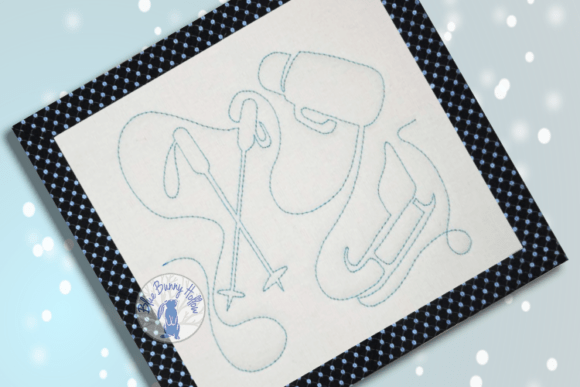
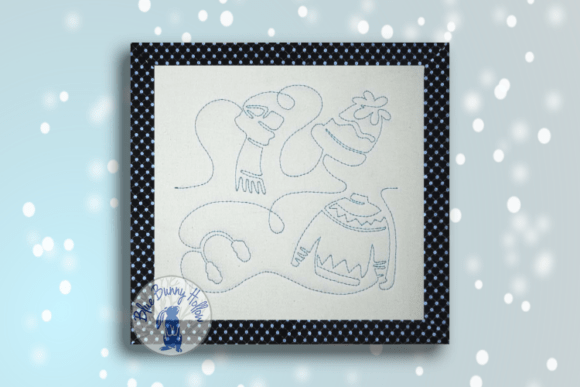
As an embroidery designer who spends most of my days digitizing logos and testing files for commercial clients, I approach every new machine embroidery design with a critical eye. It is not just about whether a pattern looks cute on a screen; it is about how that digital embroidery file translates into a tangible asset for a brand. Recently, I evaluated the E2e Keep Warm Quilting Embroidery Design specifically for its potential in small business merchandise and branded patch applications. This cozy winter E2E quilting design featuring a sweater, scarf, and hat, stitched in a smooth continuous line that repeats beautifully, offers a unique aesthetic that bridges the gap between home crafting and professional branding.
Visual Personality and First Impressions
The first thing that strikes me about the E2e Keep Warm Quilting Embroidery Design is its inherent warmth. In the world of brand identity, visual cues are everything. This design does not scream corporate or rigid; instead, it whispers "handmade," "cozy," and "inviting." For businesses like local bakeries, boutique florists, pet brands, or creative studios, this personality is gold. The motif of a sweater, scarf, and hat immediately evokes feelings of comfort and care, which are emotions every small business wants to associate with their customer experience.
From a technical standpoint, the description highlights a "smooth continuous line." In embroidery terms, this suggests a flowing stitch path that minimizes jumps and trims, which is excellent for production efficiency. However, for a branded look, we must consider if this continuous line style feels premium enough for high-end goods or playful enough for casual merch. My assessment is that it leans heavily towards a rustic, artisanal vibe. It feels less like a sharp vector logo and more like a textured illustration, making it perfect for businesses that want to emphasize their human touch.
Real-World Business Applications
When considering where to deploy this embroidery file, the possibilities for small business merch are extensive. Let's break down some specific use cases where the E2e Keep Warm Quilting Embroidery Design could shine:
- Embroidered Patches: This is perhaps the strongest application. A continuous line design often holds up well on a twill or felt base. Imagine a coffee shop offering a limited-edition winter patch for loyalty members. The sweater and hat motif would look charming sewn onto a denim jacket or a canvas backpack.
- Staff Uniforms and Aprons: For a bakery or a craft studio, apron embroidery is a staple. Placing this design on the bib of an apron adds a seasonal touch without overwhelming the uniform. It signals to customers that the staff is part of a warm, welcoming environment.
- Tote Bag Design: Canvas totes are a ubiquitous marketing tool. Using this design as an all-over pattern or a central accent on a tote bag creates a "finished product" that customers actually want to carry, extending your brand's reach beyond the store.
- Cap Embroidery: While cap fronts can be tricky with detailed designs, a simplified version or a small placement of the hat icon from this design could work well on beanies or structured caps, reinforcing the winter theme.
- Product Packaging Accents: Beyond apparel, this design could be embroidered onto fabric tags attached to handmade products, adding a layer of perceived value and craftsmanship to the unboxing experience.
Technical Considerations for Commercial Use
While the aesthetic is promising, a professional review must address the technical realities of commercial embroidery. The description notes that the design repeats beautifully, which is ideal for quilts or large runners. However, when shrinking this down for a chest logo or a small patch, we encounter potential pitfalls.
Stitch density is a major factor. Continuous line designs can sometimes lack the fill density required for durability on items that undergo frequent washing, such as staff shirts or aprons. If the lines are too sparse, the fabric underneath might show through, or the threads might snag easily. Before committing to a large run, it is crucial to test the design on the actual fabric texture you intend to use. Heavy canvases behave differently than lightweight poly-cotton blends.
Furthermore, curved surfaces present a challenge. If you plan to use this for cap embroidery, the continuous line must be robust enough to withstand the curvature of the front panel without distorting the image of the scarf or hat. Small details within the design could merge if the hoop size is too small or if the stabilizer is insufficient. Speaking of which, using the proper stabilizer is non-negotiable. For a design relying on smooth lines, a cut-away stabilizer might provide the necessary support to prevent puckering, especially on stretchy fabrics like sweaters or jerseys.
Impact on Brand Identity and Customer Trust
Why does the choice of a specific embroidery file matter for your bottom line? Because consistency builds trust. When a customer sees a high-quality, thoughtfully chosen design on your merchandise, it reinforces the perception that you care about quality in all aspects of your business. The E2e Keep Warm Quilting Embroidery Design contributes to a narrative of warmth and reliability.
If you are an Etsy seller or a handmade brand, this design aligns perfectly with the "maker" ethos. It tells a story of winter comfort and personal care. However, for a more corporate or sleek modern brand, this design might feel too informal. It is essential to compare this design beside your other design assets to ensure visual consistency. Does it clash with your primary logo? Does it complement your color palette? Creating a printable mockup before stitching is a vital step to visualize how the thread colors interact with your garment colors.
Practical Designer Notes for Implementation
To ensure the success of your project using the E2e Keep Warm Quilting Embroidery Design, I recommend following these practical steps:
- Test in Black and White: Before selecting vibrant thread colors, stitch a sample in a single color (black or white) to evaluate the clarity of the lines and the spacing between elements.
- Check Scalability: Verify if the design retains its integrity at small patch sizes. Details like the texture of the sweater knit might disappear if scaled down too far.
- Review Contrast: Ensure there is sufficient contrast between the thread and the fabric. A light thread on a dark uniform can look striking, but only if the stitch coverage is dense enough.
- Confirm Hoop Size: Check the specific requirements for the file. Since exact dimensions were not provided in the brief, verify the maximum and minimum hoop sizes compatible with your machine.
- Fabric Testing: Always test on a scrap piece of the actual material you will be using for the final product to check for puckering or pull.
- Licensing Verification: Most importantly, confirm the commercial licensing terms. Just because a file is available for purchase does not automatically grant rights for unlimited commercial reproduction on goods for sale. Read the fine print regarding the digital embroidery file usage.
In conclusion, the E2e Keep Warm Quilting Embroidery Design is a versatile asset for businesses looking to inject seasonal warmth into their branding. Whether used for an embroidered patch, a custom apron, or a holiday gift for clients, its continuous line style offers a distinct, handmade charm. However, like any tool in the Sewing and Embroidery toolkit, its success depends on thoughtful application, rigorous testing, and a clear understanding of your brand's voice. By paying attention to stitch density, fabric choice, and placement, you can transform this cozy design into a powerful element of your custom apparel strategy.