Cute Ducklings Border Embroidery Design Review
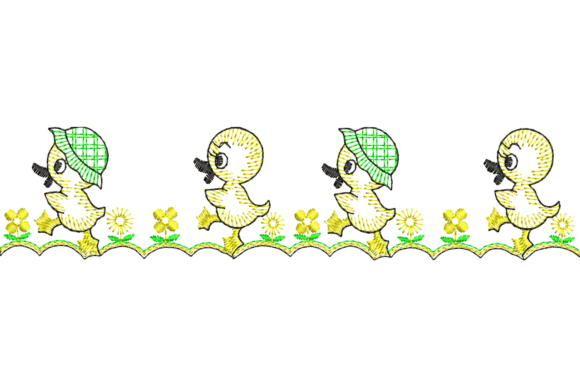
As an embroidery designer who spends most of my days digitizing logos and troubleshooting stitch-outs for small business clients, I approach every new machine embroidery design with a critical eye. It is not just about whether a file looks cute on a screen; it is about how that digital embroidery file translates into a tangible asset that builds brand identity. Recently, I reviewed the Cute Ducklings Border Embroidery Design, a pattern featuring a repeating sequence of adorable baby ducklings in a charming cartoon style. While the product description highlights its suitability for edging blankets and baby clothes, my focus was strictly on its potential for small business merch, branded patches, and commercial applications.
First Impressions: Visual Personality and Market Fit
The immediate impression of the Cute Ducklings Border Embroidery Design is one of approachability and warmth. In the world of Animals themed Embroidery, there is often a fine line between childish and professionally playful. This design leans heavily into the latter, offering a rustic yet polished aesthetic that feels handmade without looking amateurish. For a boutique bakery, a local florist, or a pet grooming studio, this visual personality is gold. It signals friendliness and care, two traits that drive customer trust. However, for a corporate law firm or a high-end tech startup, this specific style might be too whimsical unless used ironically or for specific community outreach events. The key takeaway here is that the design excels in sectors where human connection and softness are part of the value proposition.
Real-World Business Applications
When evaluating a border pattern for commercial use, versatility is paramount. I envision the Cute Ducklings Border Embroidery Design working exceptionally well as an embroidered patch sewn onto canvas tote bags. For a farmers' market vendor selling organic produce or handmade jams, this border could run along the top hem of a bag, creating a unique tote bag design that stands out against generic promotional items. Furthermore, this design is ideal for apron embroidery. Imagine a children's pottery studio or a family-friendly café using these ducklings along the bib of their staff aprons. It adds a layer of charm to the custom apparel that resonates with young customers and parents alike.
Beyond apparel, this pattern serves as an excellent accent for product packaging. A small run of branded handkerchiefs or tea towels included in a premium gift box could feature this border, elevating the perceived value of the finished product. For Etsy sellers and crafters, incorporating this into a line of baby shower gifts or nursery decor creates a cohesive collection. The repeating nature of the pattern allows for scalability; you can use a short segment for a pocket detail or extend it across the entire bottom of a garment. This flexibility makes it a versatile addition to any library of design assets.
Strategic Placement and Technical Considerations
While the aesthetic appeal is strong, a professional review must address the technical realities of production. Border designs can be tricky when applied to curved surfaces. If you intend to use this for cap embroidery, extreme caution is required. The curvature of a baseball cap front can distort a linear border, making the ducklings appear uneven or causing registration issues. I would recommend avoiding the center front of a structured cap unless the design is specifically digitized for that curve. Instead, consider placing it on the side panel of an unstructured beanie or along the brim edge if the machinery allows.
Another critical factor is stitch density. Cartoon styles often rely on solid fill areas to achieve that bold, graphic look. If the density is too high, the fabric may pucker, especially on lightweight materials like poly-cotton blends used for work shirts. Conversely, if the density is too low, the coverage may be poor on dark uniforms. Before committing to a large production run, it is vital to test the design on the actual fabric texture you plan to use. Textured fabrics like pique polo shirts or rough canvas can interact unpredictably with detailed outlines, potentially obscuring the fine features of the ducklings.
Impact on Brand Identity and Customer Perception
Incorporating the Cute Ducklings Border Embroidery Design into your merchandise strategy does more than just decorate an item; it reinforces brand storytelling. For a local business, consistency is key to recognition. If your logo is formal but your customer base is families, adding this playful border to staff uniforms or loyalty cards bridges that gap. It humanizes the brand. Customers are more likely to engage with a business that feels accessible and fun. This emotional connection can translate directly into buyer engagement and repeat sales. When a customer sees a high-quality handmade product featuring such a distinct and cheerful motif, it subconsciously communicates that the business cares about details and quality.
Essential Designer Notes for Production
Before you purchase the embroidery file and start stitching, there are several practical steps every professional should take to ensure success. First, always request or create a printable mockup to visualize how the colors will interact with your specific garment color. Test the design in black and white first to ensure the contrast holds up without relying on color differentiation; this is crucial for cost-effective single-color runs or monochrome branding.
- Check Scalability: Verify if the design retains its clarity at small patch sizes. Fine details in the ducklings' faces may merge if scaled down too far.
- Review Thread Colors: Ensure the recommended thread chart matches your inventory or client requirements. Custom color matching may be necessary for strict brand guidelines.
- Inspect Spacing: Look closely at the spacing between elements in the border. Tight spacing can lead to thread breaks or bird nesting during high-speed commercial embroidery.
- Confirm Hoop Size: Since this is a border, check the maximum length relative to your machine's hoop size. You may need to re-hoop multiple times for longer runs, which requires precise alignment marks.
- Use Proper Stabilizer: Depending on the fabric stretch, a cut-away stabilizer might be necessary to prevent distortion over time, especially for items that will undergo frequent washing.
- Commercial Licensing: Always confirm the licensing terms before using the design for commercial embroidery projects. Ensure you have the rights to sell finished goods featuring this artwork.
Finally, remember that the product description mentions the design is perfect for edging, but it does not specify exact stitch counts or supported file formats. These are critical details for production planning. High stitch counts increase production time and thread costs, impacting your profit margins on small business merch. Always reach out to the designer or check the product listing thoroughly for these specifications before integrating the Cute Ducklings Border Embroidery Design into your workflow. With proper testing and strategic application, this design has the potential to become a signature element of your brand's physical presence.